Bodywork Therapies

Bodywork sessions at Alignment Healing Wellness focus on helping the body return to a more natural state of balance and ease.


The core therapy offered is Kinetic Chain Release (KCR), a gentle whole-body treatment designed to reduce tension, improve alignment, and support freer movement.

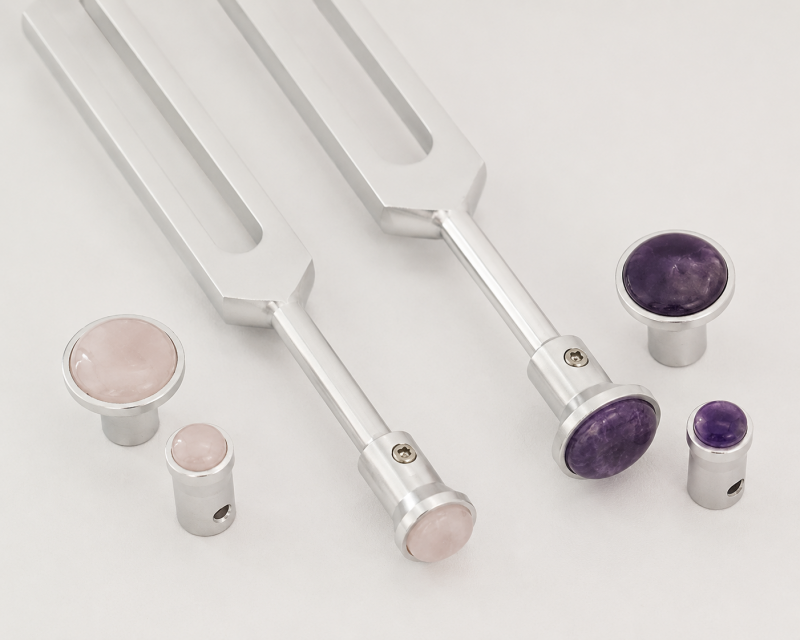
Sessions may also include therapeutic tuning forks, where carefully applied vibration is used to encourage relaxation within muscles and joints.

KINETIC CHAIN RELEASE (KCR)

Kinetic Chain Release (KCR) is the core bodywork therapy offered at Alignment Healing Wellness. It is a gentle, structured treatment that works across the body as a connected system, helping to release patterns of tension and support a more balanced, comfortable way of moving.

Rather than focusing on isolated areas of pain, KCR works through a precise sequence that allows the body to reorganise itself gradually, often leading to noticeable changes in posture, movement, and overall ease without the need for force or discomfort.

The sections below explain how KCR works, what to expect during a session, and when the treatment may or may not be suitable.

What is KCR?

Kinetic Chain Release (KCR) is a gentle, non-invasive therapy that works with the body as a connected system. Instead of focusing on one painful area, it uses light, controlled movements to release tension patterns and support better balance and ease of movement.

KCR encourages the body to return to a more natural state of alignment, supporting comfort and overall wellbeing from head to toe.

Sessions are slow, calm, and deeply relaxing. Many people describe a sense of ease, lightness, or “things settling” as the body responds, often in ways that feel subtle at first but continue to unfold afterwards.

Because the body moves and compensates as a whole, tension or imbalance in one area can influence how other areas function.

During a session, gentle positioning and movements are used to encourage the body to release long-held tension patterns. Rather than forcing change, KCR allows the body to adjust and settle in its own way and at its own pace.

Please note, as with all bodywork treatments, KCR is intended as a supportive therapy and is not a substitute for medical advice, diagnosis, or treatment.

What to expect from a KCR session

At Alignment Healing Wellness, Kinetic Chain Release (KCR) sessions are calm, supportive, and designed to work gently with the body to encourage balance, ease, and comfort.

When you arrive, you’ll be welcomed into a relaxed setting and asked a few questions about how you’re feeling and any areas of discomfort. A short check of posture and movement may be carried out to help identify areas of tension or imbalance.

During the session you will remain fully clothed and lie comfortably on a treatment table while a series of gentle, controlled movements and holds are applied. KCR is a non-invasive technique, and there is no cracking or forceful manipulation.

After the session you’ll be given time to sit up slowly and may receive simple aftercare guidance, such as staying hydrated or taking things gently for the rest of the day.

How you may feel afterwards

Many people find KCR calming and relaxing. Some notice a sense of lightness, improved ease of movement, or a feeling of greater balance in the body.

Some people notice changes quickly, while for others the effects build gradually over the following days.

Preparing for your session

Very little preparation is needed. Wear comfortable clothing that allows you to move easily, such as leggings, joggers, a t-shirt, or a soft jumper. Avoid restrictive clothing or belts.

If you have any medical conditions, injuries, or recent surgery, please let us know before your appointment so we can ensure the session is appropriate for you.

Benefits & Conditions

People often seek KCR for everyday aches, tension, and movement restrictions such as:

  • Back and neck discomfort

  • Shoulder and upper-back tension

  • Hip or pelvic tightness

  • General stiffness or reduced mobility

  • Postural strain, including desk-based or repetitive work

  • Knee, ankle, or foot discomfort

  • Tight calves or hamstrings

  • Sciatic-type pain or discomfort through the lower back and leg

  • Plantar-fascia type pain

  • Feelings of weakness or instability through the lower body

  • Arm, wrist, or elbow discomfort, including RSI-type symptoms

Many clients also choose sessions simply to support overall comfort and maintain ease of movement.

Contraindications

KCR should not be carried out if:

  • You experience dizziness or weakness during the compression test carried out before treatment

  • You have Osteogenesis Imperfecta (brittle bone disease)

  • You have had a stroke or aneurysm within the last 12 months

Medical clearance is required before proceeding if:

  • You are recovering from recent surgery and remain under the care of a consultant or surgeon

Pregnancy

Kinetic Chain Release (KCR) can be carried out safely during pregnancy. However, Alignment Healing Wellness currently prefers not to offer this service during pregnancy.

If you are unsure whether KCR may be appropriate for you, please feel free to get in touch before booking and we will be happy to talk this through with you.

SOUND THERAPY BODYWORK

Bodywork Sound Therapy uses therapeutic tuning forks to introduce gentle, controlled vibration into the body. The forks may be placed on the body or used over specific areas, where the vibration can often be felt through the surrounding tissues and may encourage a sense of relaxation.

This treatment can be experienced as a standalone session, or used alongside Kinetic Chain Release (KCR). As a full session, it offers a deeply calming, body-led treatment. When combined with KCR, tuning forks can be used more precisely after the body has begun to rebalance, allowing targeted work on areas that remain tight, guarded, or slow to let go.

The sections below explain how it works, what to expect during a session, and when the treatment may or may not be suitable.

What is sound therapy bodywork?

Therapeutic tuning forks produce precise frequencies that create gentle vibrations. When a fork is activated and placed on or near the body, those vibrations travel through the tissues and can often be felt spreading through the surrounding muscles and joints.

The body naturally responds to vibration. The subtle oscillation can encourage muscles to soften, support circulation, and help the nervous system settle. Rather than forcing change, the vibration invites the body to release tension and return to a more comfortable state.

Because sound travels easily through the body’s structures, tuning forks can be used to support specific areas of tension or to encourage deeper relaxation throughout the body.

What to expect during a session

At Alignment Healing Wellness, bodywork sound therapy sessions are calm and restorative, using therapeutic tuning forks to introduce gentle vibration into the body.

When you arrive, you will be welcomed into a relaxed setting and asked a few questions about how you are feeling and any areas of tension or discomfort. This helps guide where tuning forks may be used during the session.

During the session you will remain fully clothed and lie comfortably on the treatment table. Weighted tuning forks are activated and placed on specific areas of the body such as muscles, joints, or acupressure points. The vibration travels through the tissues and can often be felt as a gentle pulsing or humming sensation.

Some forks may also be used close to the body rather than directly on it. The treatment is quiet, slow, and non-invasive, with no pressure or manipulation.

After the session you will be given time to sit up slowly and may receive simple aftercare guidance, such as drinking water or taking things gently for the rest of the day.

How you may feel afterwards

Many people find tuning fork sessions deeply calming. The gentle vibration can create a sense of relaxation in the body and mind.

Some people notice a feeling of warmth or soft pulsing in the areas where the forks were applied. Others describe a sense of lightness or ease in the body following the session.

As with many bodywork therapies, responses can vary. Some people notice changes quickly, while for others the effects unfold more gradually over the following hours or days.

Preparing for your session

Very little preparation is needed. Wear comfortable clothing that allows you to relax easily during the treatment.

If you have any medical conditions, implants, recent surgery, or other health concerns, please let us know before your appointment so we can ensure the session is appropriate for you.

Benefits & Conditions

Tuning fork sound therapy is often used to support relaxation and ease within the body. The gentle vibration can help encourage muscles to soften and may support the body’s natural processes of recovery and balance.

It may be used to support people experiencing:

• muscular tension or tightness
• stiff or uncomfortable joints
• general aches and pains in the body
• physical strain from posture, sport, or repetitive activity
• stress and nervous system overload
• mental fatigue or difficulty switching off

Some people notice a sense of ease straight away, while others find the effects unfold more gradually over the hours or days following a session.

Therapeutic tuning forks, like all bodywork treatments, is intended as a supportive therapy and are not a substitute for medical advice, diagnosis, or treatment.

Contraindications

Tuning fork sound therapy is a gentle treatment, but there are some situations where it may not be appropriate.

This therapy is not suitable for people who:

• have a pacemaker
• are pregnant
• have epilepsy, as certain frequencies and vibrations may trigger seizures in some individuals
• have stents or inserted tubing
• have aneurysms or blood clots
• are recovering from recent surgery (treatment should be avoided for at least 3 months after surgery)
• have certain severe mental health conditions, such as schizophrenia or severe anxiety disorders where sound sensitivity may be present
• have been diagnosed with cancer

In some situations tuning fork therapy may still be possible with caution, depending on the individual and the area being treated. These include:

colostomy bags, catheters or similar medical devices (the area will be avoided)
acute infections or inflammation, where treatment should be postponed until symptoms have settled
metal implants, pins or fixations (areas containing steel implants will be avoided)
migraine or headache conditions, where certain vibrations may aggravate symptoms
children, who can receive treatment but may require shorter or gentler sessions due to increased sensitivity to sound and vibration

If you are unsure whether tuning fork therapy may be suitable for you, please feel free to get in touch before booking.

"I work offshore as a fire safety technician, so my back and hips take a beating. After a KCR session with Amanda I felt the difference immediately. I moved more easily and felt pain-free.  I’ll definitely be booking again before my next trip offshore"

KCR Client